
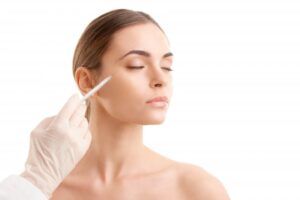
When it comes to boosting the aesthetics of your face, you might look for ways to fix up flaws in your smile. This can help make your grin gorgeous, but many people also opt to get BOTOX injections as well. While this treatment is commonly used to smoothen wrinkles, did you know it might be helpful against facial scars? It might seem odd, but here’s what you need to know.
What is BOTOX?
BOTOX itself is a brand of botulinum toxin injections. It’s a type of neurotoxin that’s designed to limit the movement of muscles in your face. It can keep them from tensing, which helps smooth out fine lines and wrinkles. Many patients get it to get a younger look that often complements their smile for several months.
Certain dentists have been trained in administering this treatment as they already know all about facial anatomy. This helps them find the best places to inject BOTOX, so you get natural-looking results without developing a “frozen” look.
How Does BOTOX Minimize Facial Scars?
In 2018, a study published in Plastic and Reconstructive Surgery® sought to see the effects of BOTOX on facial scar development. 16 patients were undergoing facial plastic or reconstructive surgery, which would result in a scar on their face.
In the incision made, each patient had BOTOX injected into half of it and a placebo put into the rest. After six months, independent plastic surgeons made measurements on the scars. It was noted that the appearance of the half treated with the neurotoxin was significantly better, as it had reduced bumpiness and width. This happened because the underlying muscles decreased movement and stress, allowing for smoother healing.
The study’s authors believed that BOTOX could help improve scar quality and prevent widening, hypertrophy, and hyperpigmentation.
Can BOTOX Be Used to Treat Other Issues?
While BOTOX is often used for smoothing wrinkles, it can do so much more for patients. Aside from potentially aiding in facial scars, it can also be helpful in other conditions, such as:
- Jaw pain from temporomandibular joint disorder (TMD)
- Chronic migraines
- Cervical dystonia, or neck spasms
- Hyperhidrosis, or excessive sweating
These are a few conditions that BOTOX can help treat, but it’s important to know that the results you get are only temporary. The effects last for three to four months, so you may need retreatment, but your provider can let you know more about what would be best for you. That way, you feel confident getting it for your smile.
About the Author
Dr. Bryan Villescas, or Dr. V, earned his dental degree from the University of Colorado School of Dental Medicine. He has since focused on the latest skincare and esthetics techniques, even receiving a certification in BOTOX. If you have any questions about this treatment for yourself, schedule an appointment or call Dr. V’s office at (941) 627-9900.